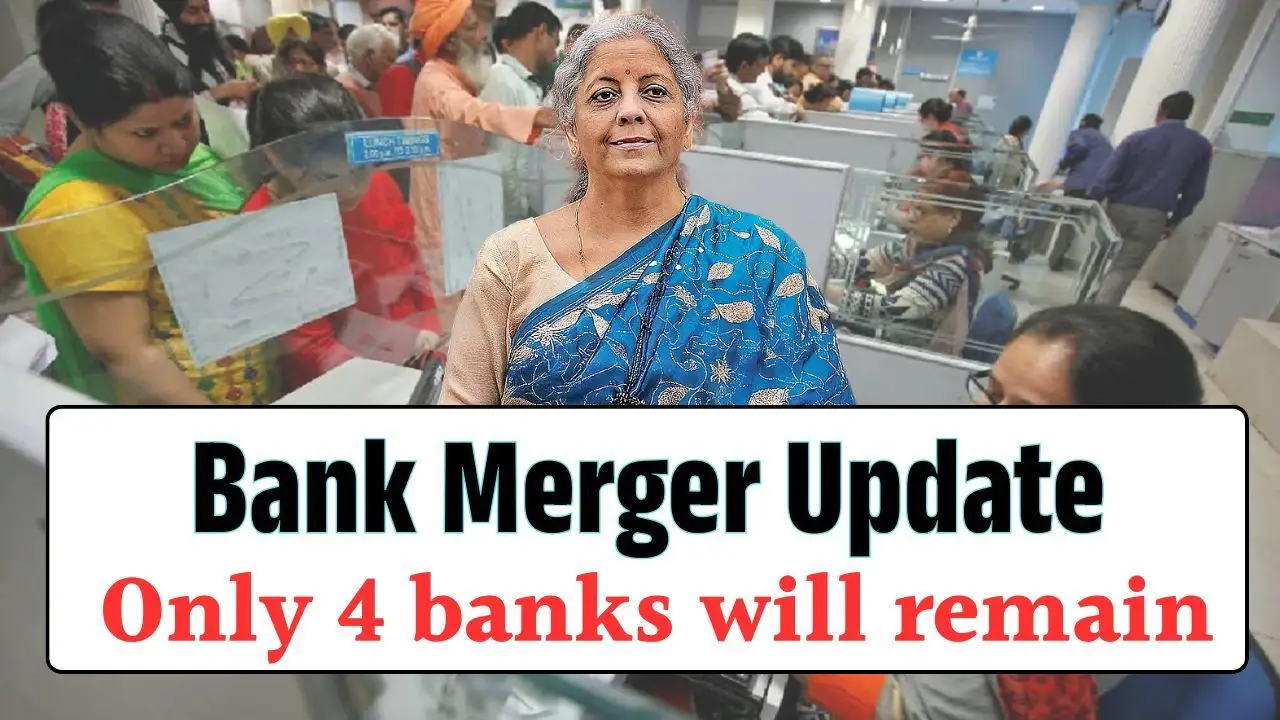
In recent times, there has been a good deal of speculation that the public sector banking landscape in India could witness large-scale consolidation. According to recent policy signals and financial sector reforms, the intent of the government is toward the future where only four mega public sector banks are networked to cover the entire territory. The intent behind this move is to bring into existence edgier banks that would be able to compete outside India and contribute to a growing economy.
The reason of the Government for Decreasing the Number of Banks
A major mission that is set to be accomplished by the consolidation of banks is improving the performance of the public sector banks. The reasons for such a move include switching to better-performing outlets, decreasing increasingly high duplication, and infusing capital into deflated balance sheets. Many state-owned banks in the recent past have been struggling with growth in non-performing assets, operational inefficiencies, and difficulties with raising capital. Small-sized banks are to be absorbed into larger banks in order to strike an ideal balance between better asset risk management, increased lending autonomy, and better governance.
Status of the Bank Mergers at the Moment
The consolidation process isn’t new. A bunch of famed public-sector banks have gone through mergers in the past several years, thereby significantly bringing down the total number of public-sector banks. The past mergers were designed to stabilize the weaker banks, protect the depositors, and make operations more efficient. Owing to the success of these mergers, many authorities believe resolution to be the next move, which would largely reduce the count of banks to only four big public-sector banks.
What Does This Mean for Customers and Employees?
Merger of these banks can now be expected to bring wider branch networks, better digital initiatives, and increased access to credit for customers, while there is generally no reason for concern for most account holders. Deposits are still assured and doing quite well, while account numbers and the services being provided are pretty much identical. Workers many reasons to believe that their jobs are secure when mergers are concerned, which should pave the way for smooth integration of the workforce.
Implications for the Indian Economy
A smaller number of but larger banks with a robust capital base can raise resources for the big infrastructure projects, float businesses and compete in the global marketplace. Greater capitalization is a critical ingredient for any banking institution that would survive any sort of economic shock intact and proceed at an accelerated credit growth rate so vital for sustainable development.
The Future That Lies Aheads
Although no official timeline for the process has been mentioned, policies show this as a possibility over the next few years. If such mergers could become a reality in the instead of the most substantial reform measures the Indian banking industry has ever witnessed, it would greatly alter the way public sector banking operates.